Africa's Time Begins in Accra
|
|
|
This week, Accra becomes the meeting point for the people shaping the future of learning in Africa. Ministers, educators, innovators, entrepreneurs and development partners from across the continent and beyond are gathering for eLearning Africa 2026. Ahead of the opening, we take a look at what awaits participants and the issues likely to dominate discussions over the coming days. Read more here.
|  |
|
Youth Keynote: Cindy Arko Nyamekye on Africa’s Time, Africa’s Terms
|
|
|
At the Opening Plenary of eLearning Africa 2026, Cindy Arko Nyamekye will deliver the Youth Keynote Address on behalf of a generation whose future is being shaped by decisions on education, technology and skills. Representing the All-Africa Students Union, the continental voice of more than 300 million students in Africa and the diaspora, she will address this year’s theme, “Africa’s Time, Africa’s Terms”, and the need for young Africans to be recognised not as beneficiaries of policy, but as partners in shaping it. Read more here.
|  |
|
The eLearning Africa Debate 2026: Preparing Young People for a World That No Longer Exists?
|
|
|
The eLearning Africa Debate returns to Accra with a provocative motion: "This House believes Africa's education systems are preparing young people for a world that no longer exists – and setting them up to fail as a result." As technology, work and society change at unprecedented speed, few questions are more important. Four speakers. Two sides. One audience vote. Read more about the motion, the speakers and why this year's closing debate promises to be one of the highlights of eLearning Africa 2026.
|  |
|
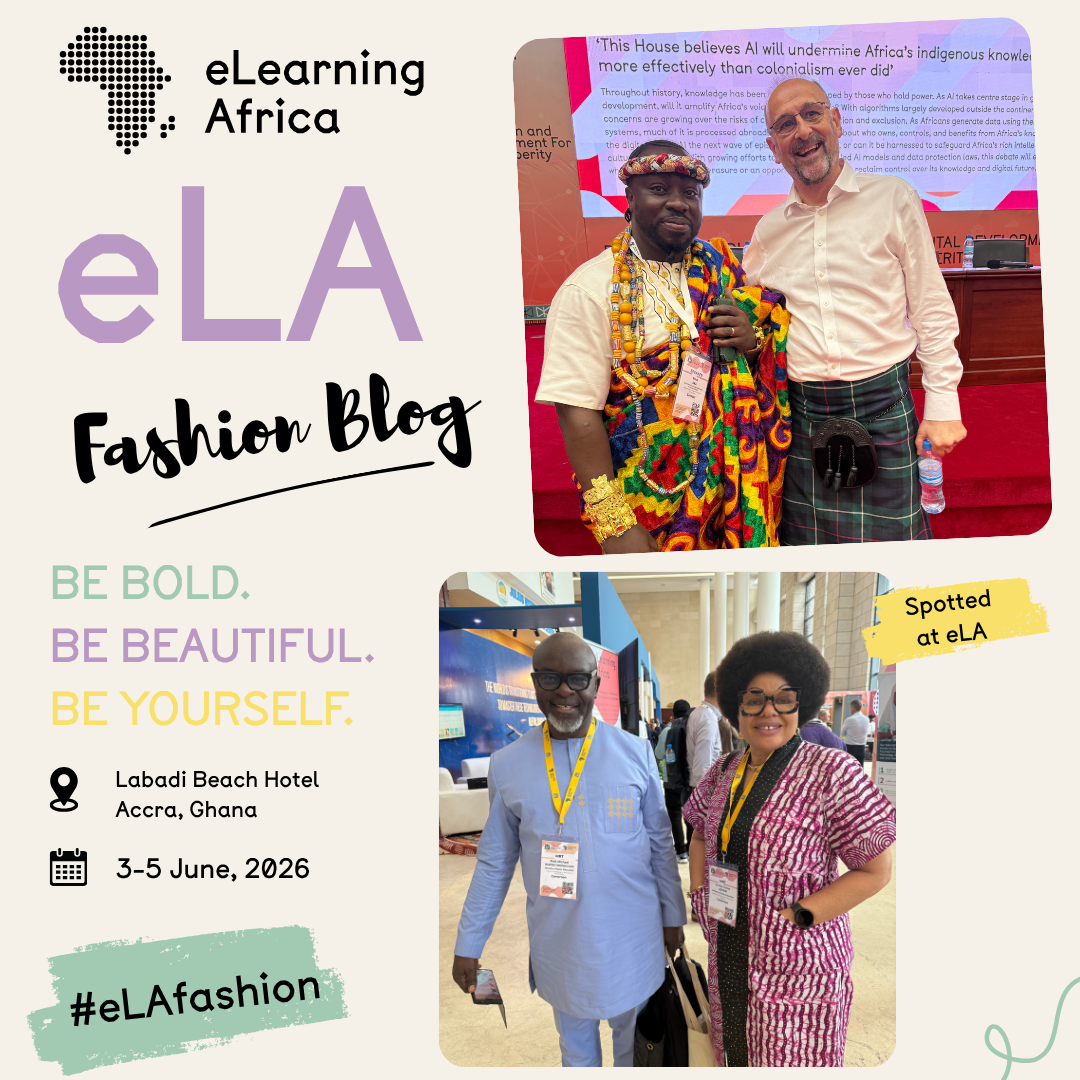
Introducing the eLearning Africa 2026 Fashion Blog |
|
|
As eLearning Africa 2026 comes to Accra, one of Africa’s great capitals of style, the new eLA Fashion Blog will celebrate the creativity, culture and individuality of the conference community. Throughout the event, the #eLAfashion team will be looking out for original, eye-catching and meaningful outfits, from national, regional and local dress to personal styles with a story behind them. Selected participants will be invited to have their photo taken and featured on the blog during the conference. Read more here.
|  |
|
e-SHE: Digital Transformation in Ethiopian Higher Education |
|
|
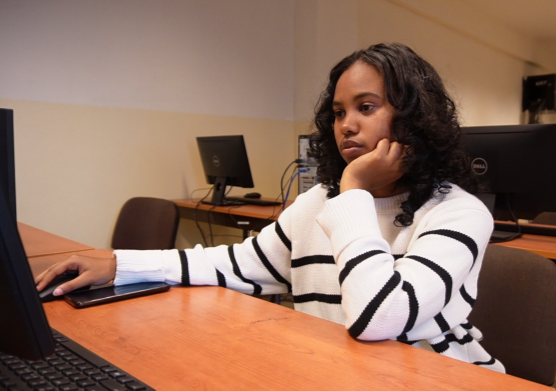
Ethiopia’s e-Learning for Strengthening Higher Education programme is using Open edX to expand access to digital learning across the country’s public universities. Led by the Ministry of Education, with partners including the Mastercard Foundation, Arizona State University and Shayashone, e-SHE aims to build digital skills, strengthen online learning and support a more resilient higher education system. It also shows how flexible learning is improving access for students such as Lidiya Alemayehu. Read more here.
|  |
|
Shaping Responsible Citizens for Life in a Digital Society |
|
|
As digital technologies reshape how young people learn, work and participate in society, education systems are being asked to look beyond basic digital literacy. GIZ’s GenerationDigital! supports 25 African countries in strengthening digital skills, critical media literacy, online safety and responsible participation in public life online. At eLearning Africa 2026, the panel “Makers and Movers of Africa’s Education Transformation” will bring together speakers from Kenya, Senegal and Madagascar to discuss digital inclusion, curriculum integration and how digital education reforms can be implemented sustainably. Read more here.
|  |
|
Global Gateway: Advancing Digital Skills and Education for Africa’s Future
|
|
|
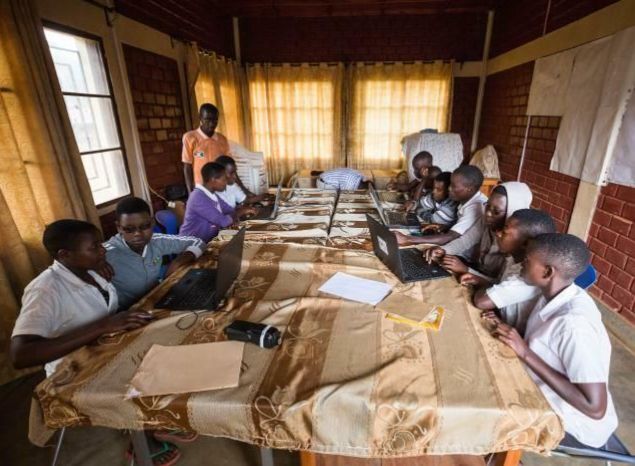
At eLearning Africa 2026, Team Europe will highlight its work under Global Gateway through the Digital for Development Hub and the Regional Teachers Initiative for Africa. Their joint presence will focus on how investment in digital infrastructure, skills development, teacher support and innovation can strengthen education systems and expand opportunity. Participants can visit the joint stand and join two sessions on African digital talent, the global skills gap and new approaches to improving teaching and learning in Sub-Saharan Africa. Read more about these sessions here.
|  |
|
|