Africa's Greatest Resource Is Its Knowledge. Is It Making the Most of It?
|
|
|
Across Africa, knowledge, talent and ingenuity are driving innovation and creating new opportunities. But how can these strengths generate greater economic and social value? And how can their benefits be shared more widely? As eLearning Africa prepares for its 20ᵗʰ edition in Lomé, Togo, from 26–28 May 2027, we explore this year's theme, Africa's Knowledge Power: From Human Capital to Shared Prosperity, and why the relationship between knowledge, opportunity and prosperity matters more than ever. Read the full article here.
|  |
|
Call for Proposals Now Open: Share Your Ideas at eLearning Africa 2027!
|
|
|
What ideas and innovations are shaping the future of education, training and skills development across Africa? The Call for Proposals for eLearning Africa 2027 is now open! As we prepare for our 20ᵗʰ edition in Lomé, Togo, from 26–28 May 2027, we invite educators, researchers, policymakers, innovators, learning and development professionals, corporate trainers, business leaders, entrepreneurs, technology specialists, civil society organisations and development practitioners to share their insights, experiences and practical solutions across ten conference subthemes here.
|  |
|
Can AI Speak Africa's Languages? Togo Is Working to Make It Happen
|
|
|
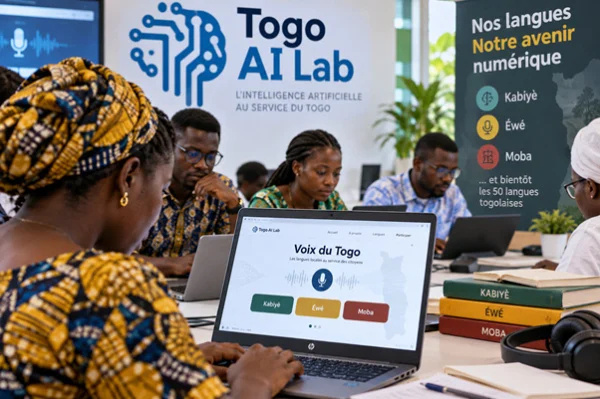
Artificial intelligence is transforming how the world communicates, learns and accesses information. But what happens when the languages of millions of Africans are missing from these technologies? Togo is tackling this challenge through Voix du Togo, an initiative bringing local languages into AI development. Beginning with Ewe, Kabiyè and Moba, the ambition extends beyond translation to questions of knowledge, identity and inclusion. Read the full article here.
|  |
|
From Classrooms to Creators: Togo's Drive to Put Innovation at the Heart of Learning
|
|
|
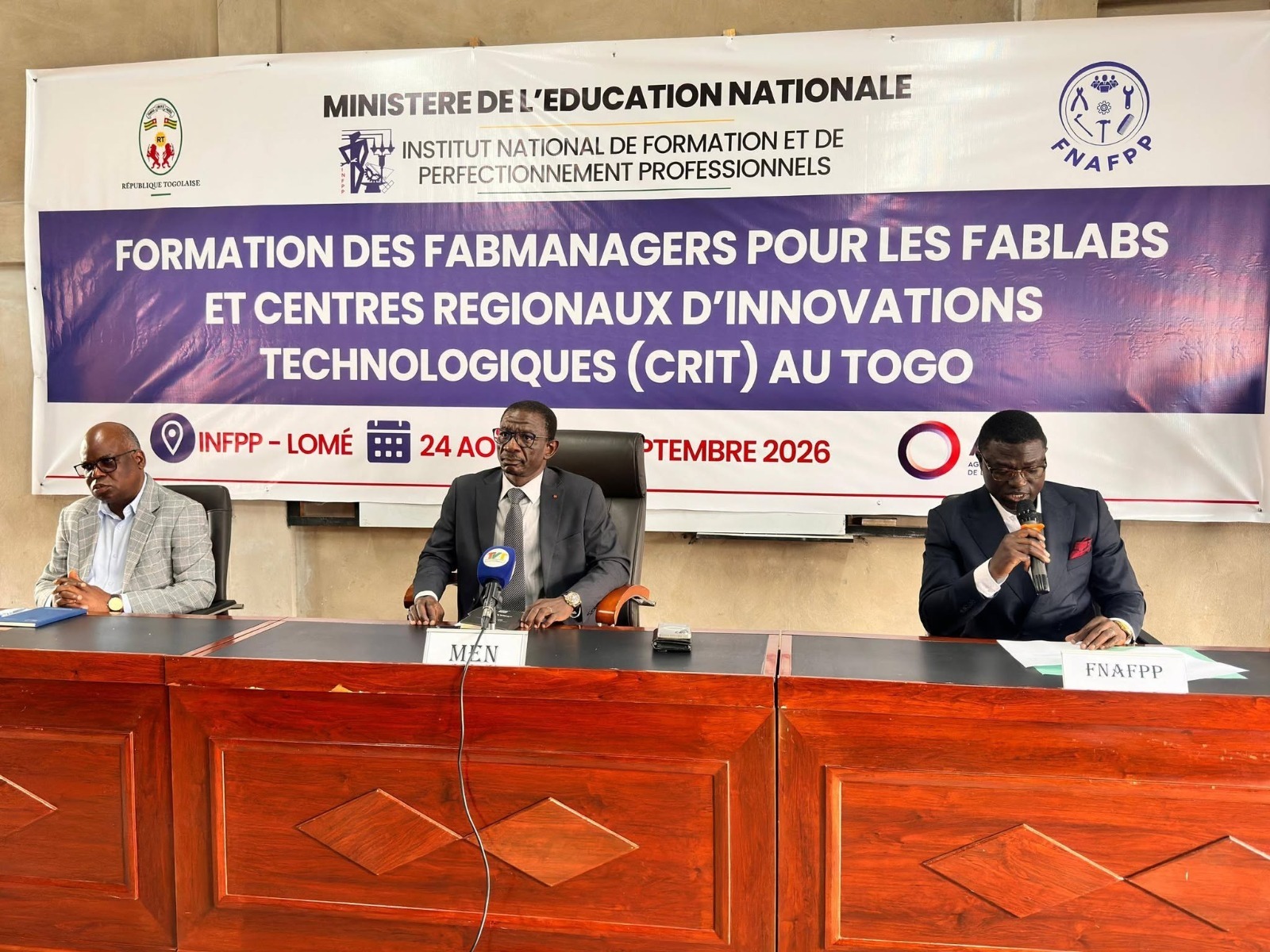
What if students could move beyond studying science and technology to designing, experimenting and creating solutions of their own? Togo is working towards this through an initiative to introduce FabLabs into schools and regional innovation centres. With 101 specially trained FabLab managers preparing to support practical learning, the programme could open new opportunities for young people to turn knowledge into creativity, innovation and practical skills. Read the full article here.
|  |
|
Why Governments Must Move from EdTech Enthusiasm to EdTech Architecture: A Policymaker’s View from Liberia
|
|
|
Across Africa, promising education technology projects often fade when funding ends. Why do successful pilots struggle to deliver lasting change, and what will it take to build systems that endure? Drawing on his experience in Liberia, Assistant Minister Nathaniel K. Cisco Jr. argues that the real challenge is not adopting more technology, but building the foundations to make it work at scale. Read the full article here.
|  |
|
Sudan Gives eLearning and Blended Learning a Formal Place in Higher Education
|
|
|
After years of conflict and disruption to higher education, Sudan has approved new regulations formally recognising eLearning and blended learning. Could this mark a turning point for universities struggling to maintain teaching and reach displaced students? Professor Bakri Abdul Karim explores what the decision means for Sudanese universities, drawing on National University–Sudan's experience with digital learning during successive crises. Read the full article here.
|  |
|
|