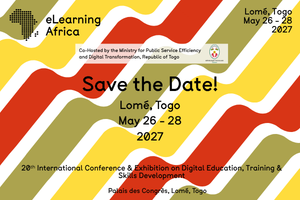
Save the Date: eLearning Africa 2027 Heads to Lomé, Togo | 26 – 28 May 2027!
|
|
|
We are pleased to confirm that the 20th edition of eLearning Africa will take place at the Palais des Congrès in Lomé, Togo, from 26–28 May 2027, co-hosted by the Ministry for Public Service Efficiency and Digital Transformation and under the patronage of the Honourable Minister Cina Lawson. Find out more here.
|  |
|
Just Released: The eLearning Africa 2026 Post-Conference Report
|
|
|
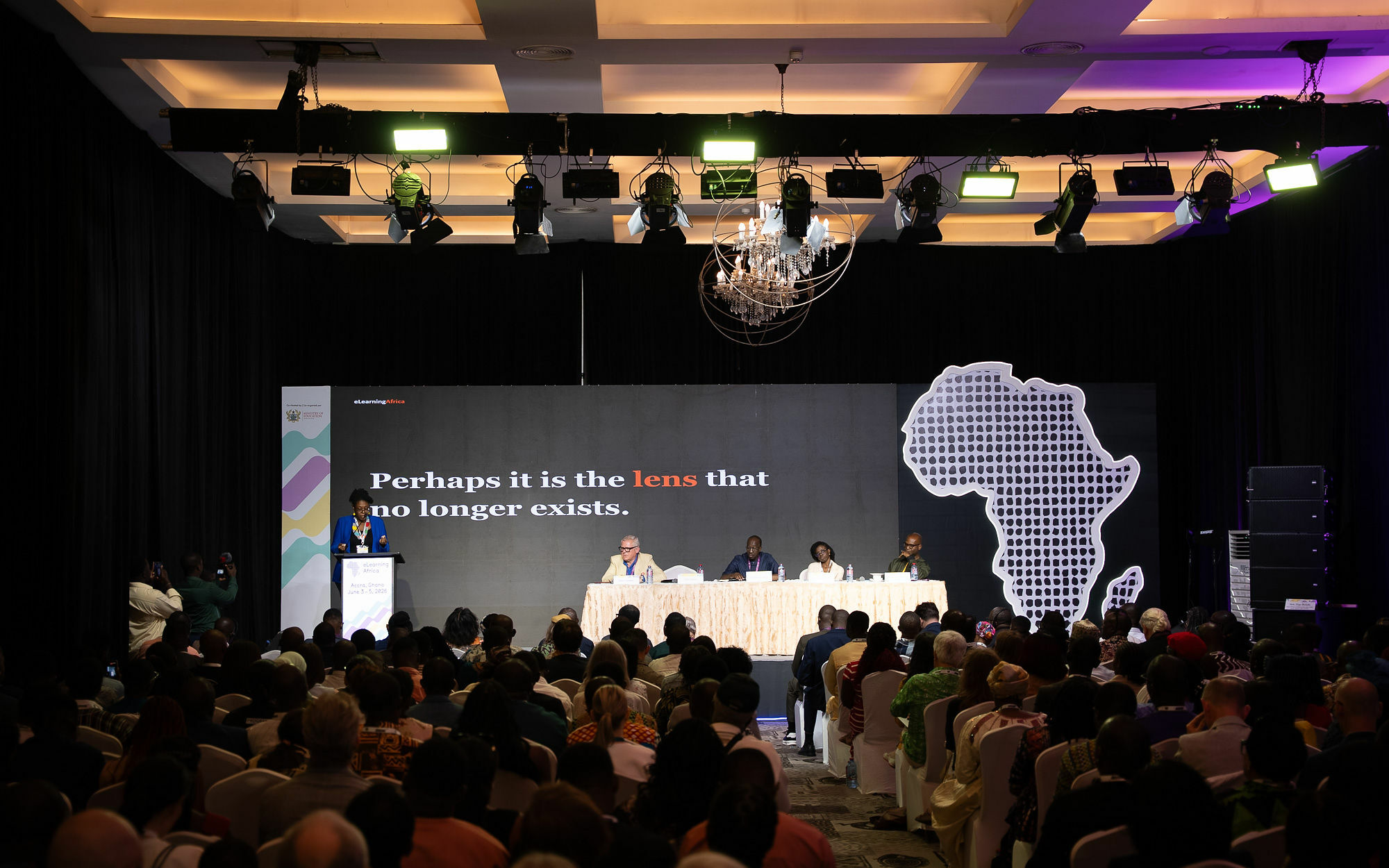
We are pleased to share the official Post-Conference Report from eLearning Africa 2026, held in Accra, Ghana, from 3-5 June. Bringing together highlights from an event attended by more than 1,150 delegates from over 70 countries, the report captures key moments from across the programme, including the Ministerial Round Table, bilateral meetings, plenaries, workshops, exhibition and the wider conference community. Download the full report here.
|  |
|
The eLearning Africa 2026 Ministerial Round Table Communiqué
|
|
|
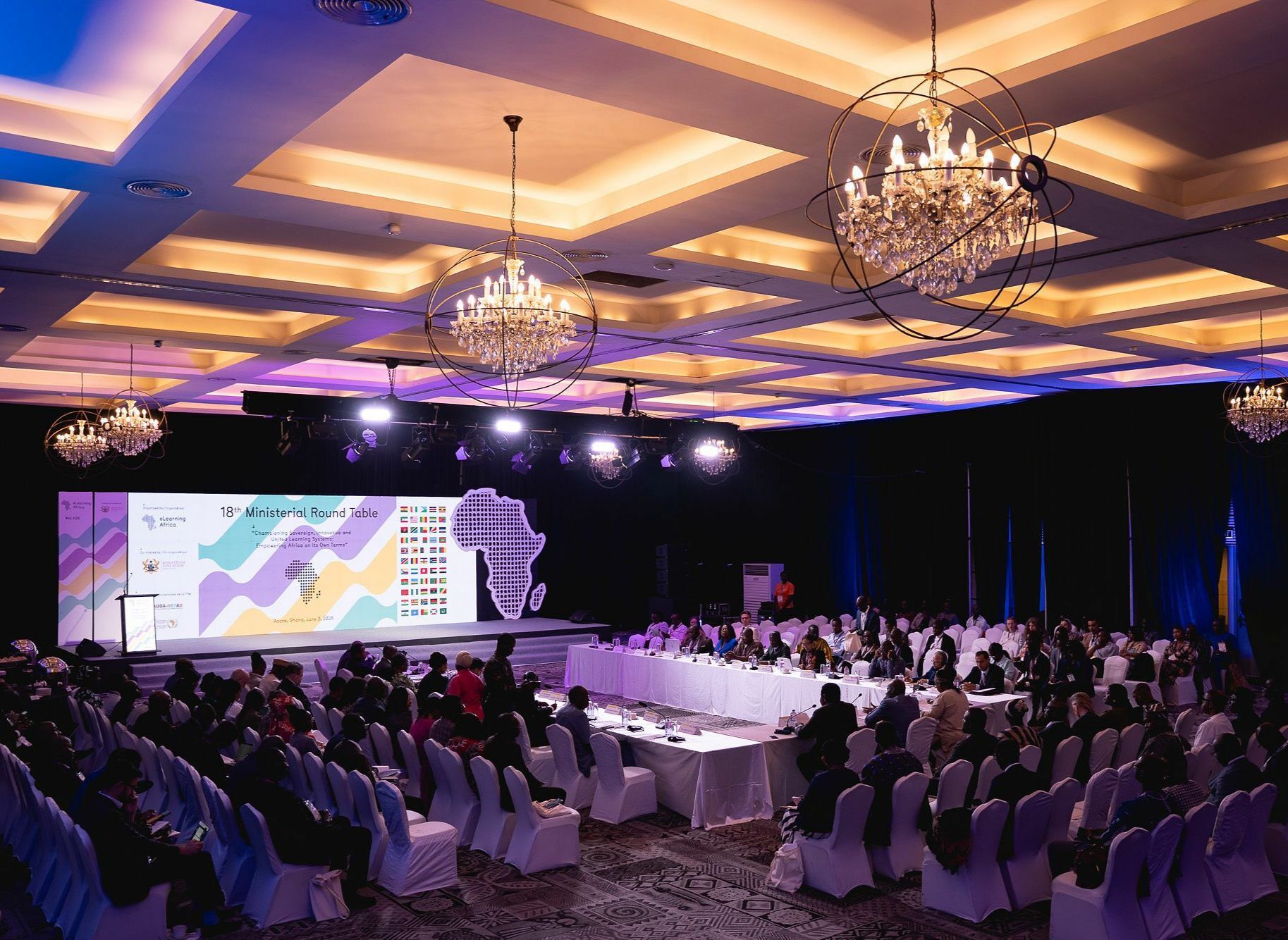
Held on 3 June during eLearning Africa 2026 in Accra under the theme Africa's Time, Africa's Terms: Learning for Sovereignty, Strength and Solidarity, the 18th Ministerial Round Table brought together 114 government delegates from 30 ministerial delegations representing 28 countries. The newly published Communiqué records discussions and recommendations on AI readiness, data sovereignty, affordable digital infrastructure, sustainable financing, foundational learning and stronger continental cooperation. Read the full Communiqué here.
|  |
|
eLearning Africa 2026 in Pictures |
|
|
More than 1,150 participants from over 70 countries gathered in Accra for three days of discussion, networking and knowledge exchange. Our official photo gallery and highlights video capture the people, conversations and moments that made this year's conference such a success. Explore the gallery and watch the highlights video here.
|  |
|
Opinion: The Infrastructure Deficit Behind Digital Progress |
|
|
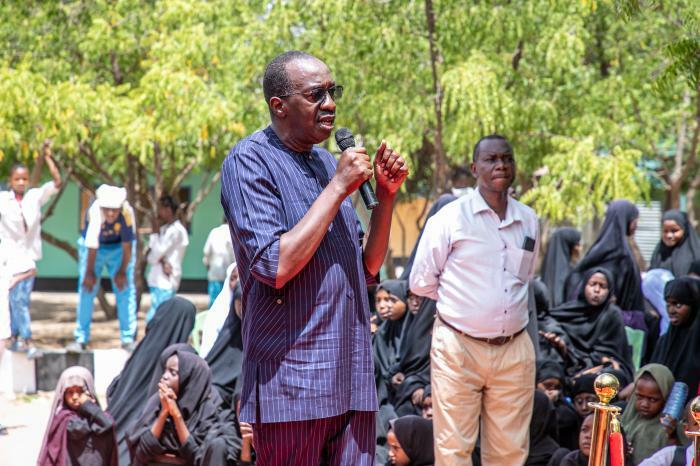
In this opinion piece, Hon. Michael Onyango, a leading African expert on emerging technologies, AI and the future of work, argues that Africa's digital progress cannot be measured by access alone. As AI and compute infrastructure become increasingly central to economic power, he warns that reliance on foreign systems risks repeating historical patterns of economic dependency. He calls for stronger local data capacity, advanced technology skills and regulatory environments that enable African developers to build and scale. Read more here.
|  |
|
Who Decides How AI Enters an African Classroom? |
|
|
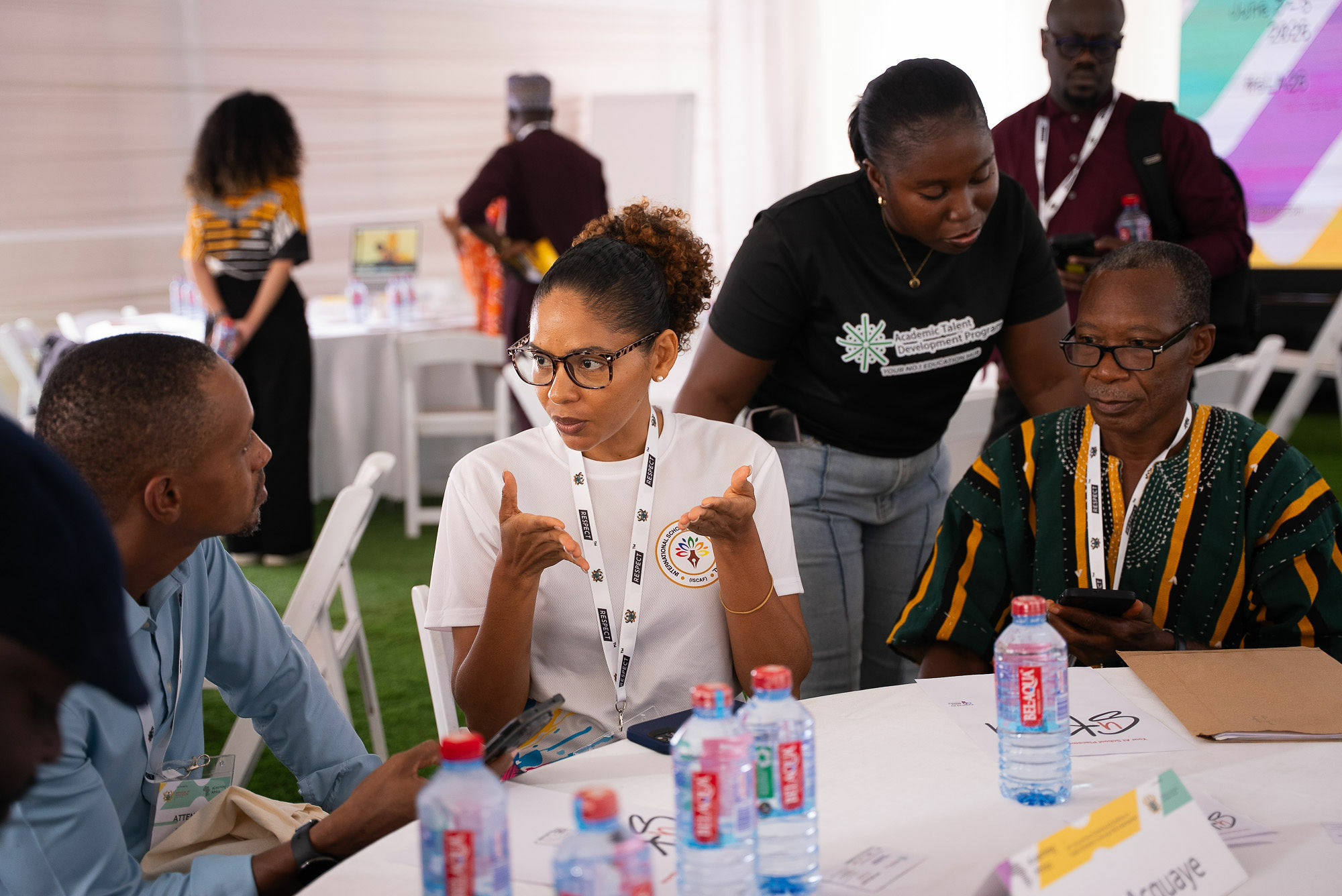
In one of the final sessions at eLearning Africa 2026, participants from across Africa took part in a Living Lab on culturally responsive AI integration. Jörg Martin Hartmann of the Goethe-Institut Senegal reflects on how teachers and education professionals mapped the strengths and constraints of their own settings, then designed practical AI applications capable of working within them. Read the full session report here.
|  |
|
The Power of Mobilising Youth: What Young Voices Bring to Mwanga wa Elimu
|
|
|
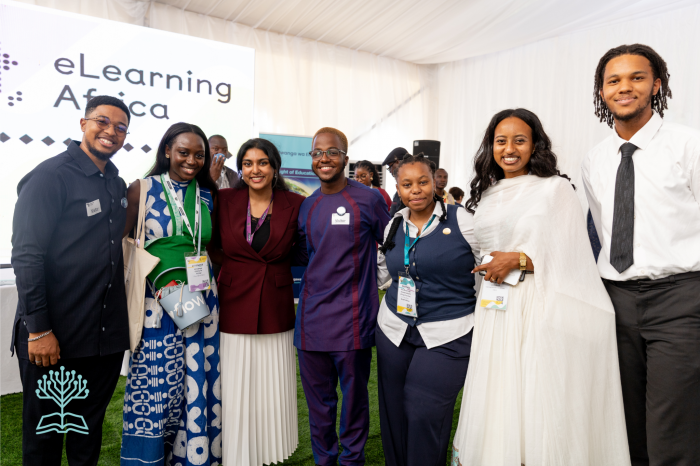
Africa’s EdTech future will not be built for young people alone. It will also be built by them. This article explores why Mwanga wa Elimu placed youth voices at the centre of its public inauguration at eLearning Africa 2026 in Accra, and how young Africans bring recent classroom experience, entrepreneurial insight and practical knowledge of language and localisation to the design of education technology. Read more here.
|  |
|
|